 foxing
Loading books
Public-domain books free to read
by Wallace Thurman
A dark-skinned young woman moves to Harlem and becomes frustrated by colorism in the African-American community.
Opening
A few passages to enter the atmosphere.
Emma Lou
More acutely than ever before Emma Lou began to feel that her luscious black complexion was somewhat of a liability, and that her marked color variation from the other people in her environment was a decided curse. Not that she minded being black, being a Negro necessitated having a colored skin, but she did mind being too black. She couldn’t understand why such should be the case, couldn’t comprehend the cruelty of the natal attenders who had allowed her to be dipped, as it were, in indigo ink when there were so many more pleasing colors on nature’s palette. Biologically, it wasn’t necessary either; her mother was quite fair, so was her mother’s mother, and her mother’s brother, and her mother’s brother’s son; but then none of them had had a black man for a father. Why had her mother married a black man? Surely there had been some eligible brown-skin men around. She didn’t particularly desire to have had a “high yaller” father, but for her sake certainly some more happy medium could have been found.
She wasn’t the only person who regretted her darkness either. It was an acquired family characteristic, this moaning and grieving over the color of her skin. Everything possible had been done to alleviate the unhappy condition, every suggested agent had been employed, but her skin, despite bleachings, scourgings, and powderings, had remained black—fast black—as nature had planned and effected.
She should have been born a boy, then color of skin wouldn’t have mattered so much, for wasn’t her mother always saying that a black boy could get along, but that a black girl would never know anything but sorrow and disappointment? But she wasn’t a boy; she was a girl, and color did matter, mattered so much that she would rather have missed receiving her high school diploma than have to sit as she now sat, the only odd and conspicuous figure on the auditorium platform of the Boise high school. Why had she allowed them to place her in the center of the first row, and why had they insisted upon her dressing entirely in white so that surrounded as she was by similarly attired pale-faced fellow graduates she resembled, not at all remotely, that comic picture her Uncle Joe had hung in his bedroom? The picture wherein the black, kinky head of a little red-lipped pickaninny lay like a fly in a pan of milk amid a white expanse of bedclothes.
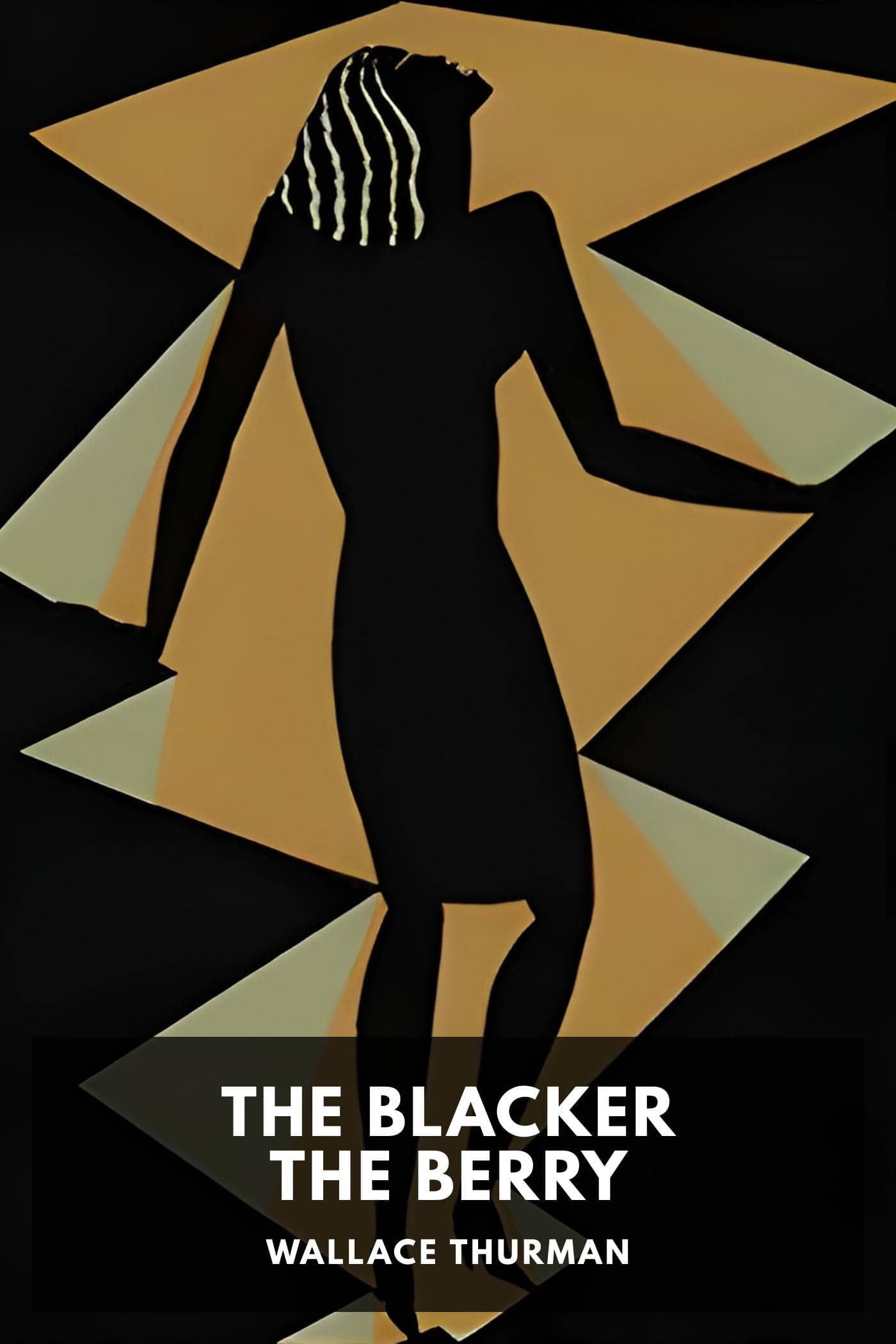
The Blacker the Berry
Continue readingBut of course she couldn’t have worn blue or black when the call was for the wearing of white, even if white was not complementary to her complexion. She would have been odd-looking anyway no matter what she wore and she would also have been conspicuous, for not only was she the only dark-skinned person on the platform, she was also the only Negro pupil in the entire school, and had been for the past four years. Well, thank goodness, the principal would soon be through with his monotonous farewell address, and she and the other members of her class would advance to the platform center as their names were called and receive the documents which would signify their unconditional release from public school.
The book is free to read. AI co-reading includes a limited free trial.
Open the reader