 foxing
Loading books
Public-domain books free to read
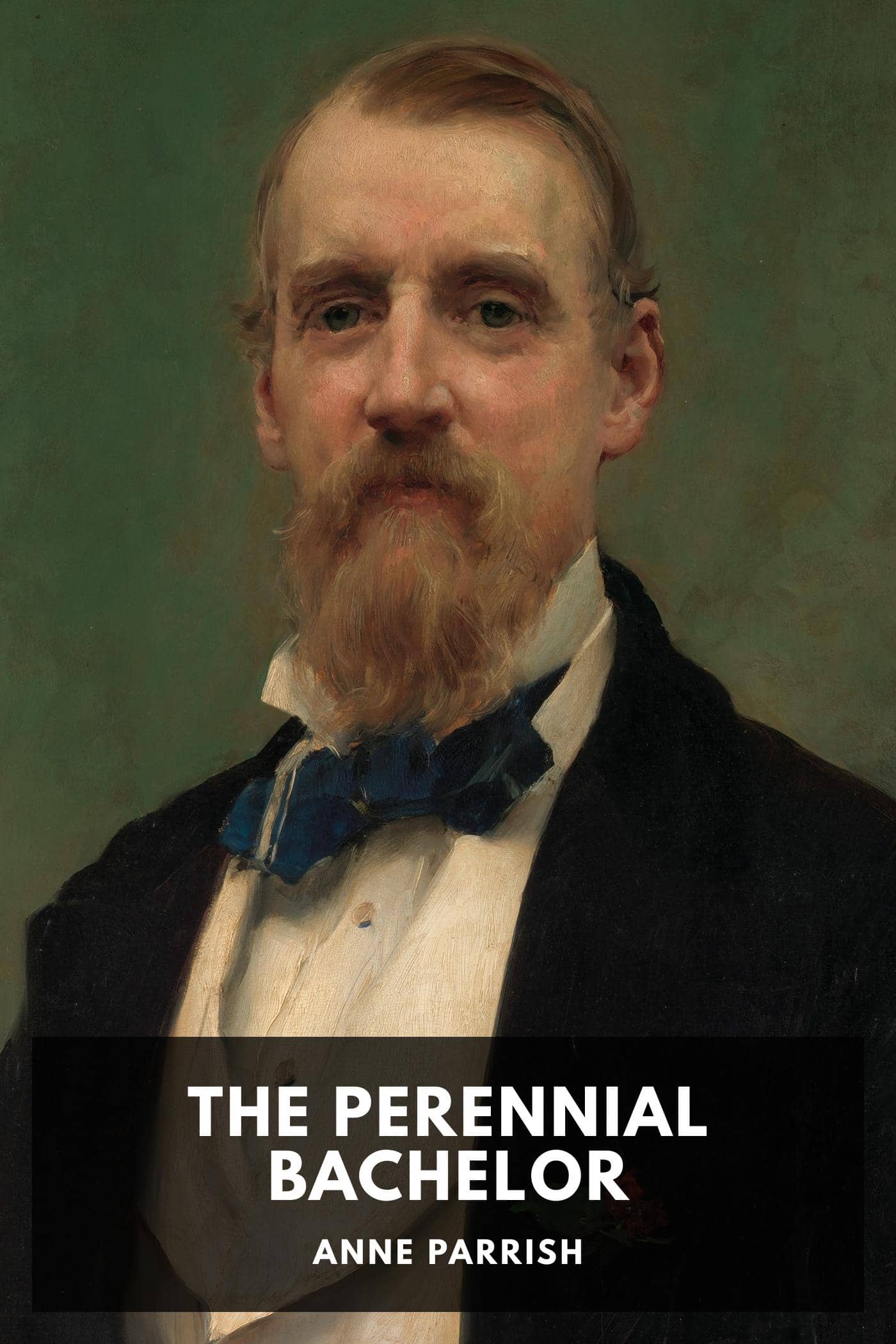
by Anne Parrish
The women of a 19th century family spend their lives hoping that the one male family member will achieve the social status they all desire.
Opening
A few passages to enter the atmosphere.
As she lay floating in the grey river that flows between sleeping and waking, Maggie Campion knew, without remembering why, that it was a happy day. And when she opened her eyes, the sunlight falling on the carpet in stripes of pale warm gold, the warm buff walls, even the fat little buff potichomanie flagons with their crimson rosebuds, all held a secret happiness—what was it? The looped-back muslin curtains were like ladies in billowing white, curtseying to each other, two in each window, and even Maggie’s stout scuffed little shoes on the floor where she had left them when she undressed, pointed their toes in the first position of dancing.
She lay pressing her hands together under the blankets, floating in this still bright bliss. She remembered now what it was. It was Papa’s birthday, and he was coming home from New York.
Maggie was ten years old, with light eyes looking out from under dark scowling brows, brown hair that fell straight and limp from curling-rags even as they were unrolled, and a face covered with freckles. She was more like a boy than a girl, everyone said. She was always carrying hop-toads about in her hat, or tearing her petticoats climbing trees and sliding down the ice house roof. She was sometimes as bold as brass and sometimes one crimson blush of shyness, and she had the strangest ways of showing people that she loved them—boasting in front of them in a loud gruff voice, making awful faces, twisting one leg around the other, or standing on the sides of her feet.
Six-year-old May slept beside her in the big bed carved with oak-leaves and acorns, under the picture of the guardian angel hovering above the little brother and sister gathering wild flowers at the edge of the precipice. May had short bright brown curls foaming all over her head, and brown eyes with long curled lashes, and she knew perfectly well what Mamma’s friends meant when they exclaimed, “Oh, what a little b-e-a-u-t-y!” She loved her pretty clothes, and never tore them as Maggie did, but would stroke her small muff or her best blue sash as another little girl might stroke a kitten; and Mamma had been dreadfully troubled once to find her kissing her best bonnet goodnight. When May loved people she told them so, flinging her arms around them and kissing them again and again, which they found at first charming and presently exhausting, for she never knew when to stop, and always had to be disentangled, like a burr or a kitten, and carried weeping from the room.
The Perennial Bachelor
Continue readingSometimes, when there was company of an evening, Papa would pick her up out of bed and carry her downstairs in her nightgown to dance on the top of the piano, while Mamma played, not quite accurately, but with a lot of ripple and splash, and Papa sang in the voice that pierced so thrillingly the heart of his eldest daughter, lying awake in the dark:
The book is free to read. AI co-reading includes a limited free trial.
Open the reader