 foxing
Loading books
Books free forever
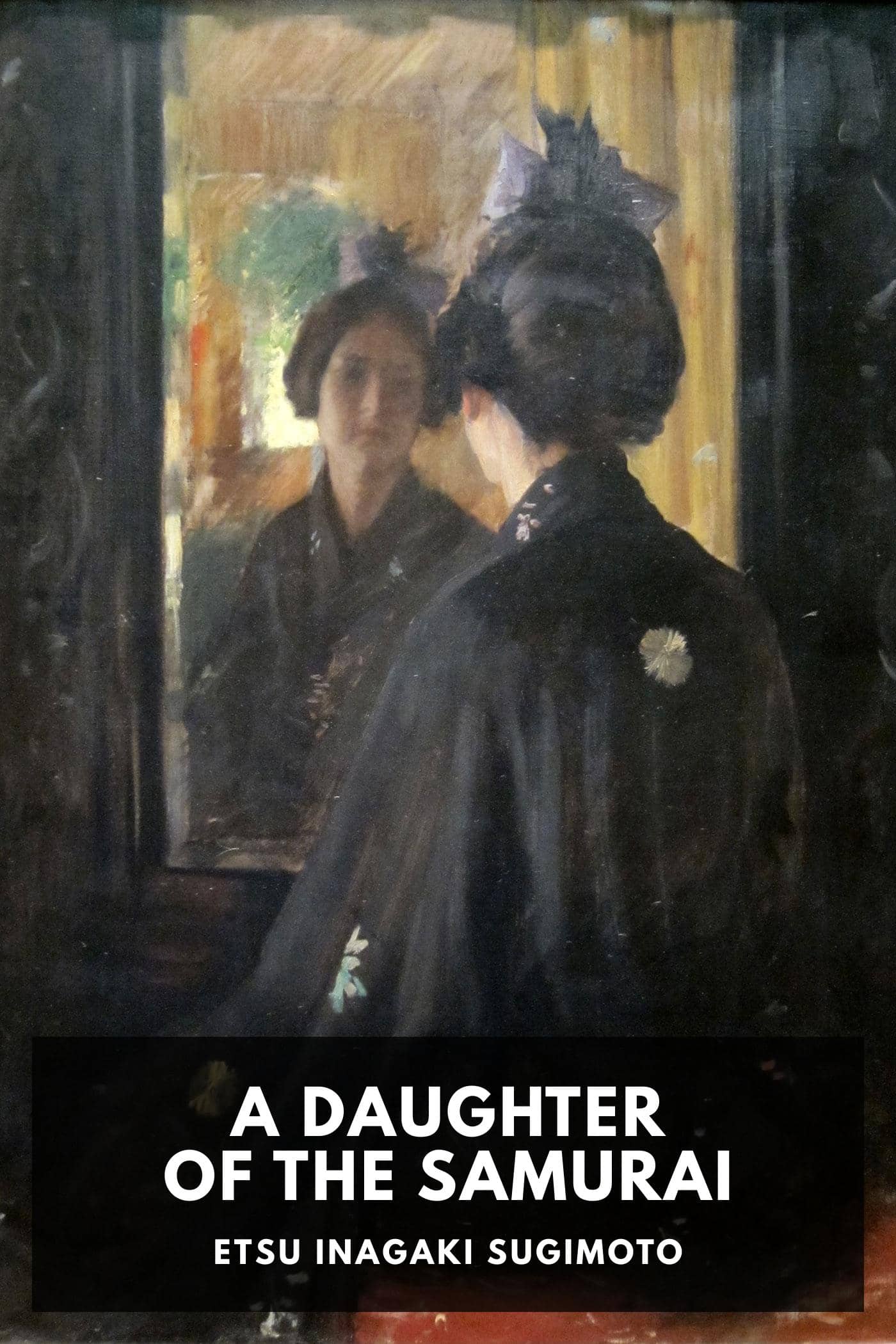
by Etsu Inagaki Sugimoto
The autobiography of Etsu Sugimoto, a girl born into a samurai family in a time of great cultural changes.
Opening
A few passages to enter the atmosphere.
Winters in Echigo
Japan is often called by foreign people a land of sunshine and cherry blossoms. This is because tourists generally visit only the eastern and southern parts of the country, where the climate is mild all the year round. On the northwest coast the winters are long, snow often covering the ground from December to March or April.
In the province of Echigo, where was my home, winter usually began with a heavy snow which came down fast and steady until only the thick, round ridgepoles of our thatched roofs could be seen. Then groups of coolies, with straw mats over their shoulders and big woven hats that looked like umbrellas, came and with broad wooden shovels cut tunnels through from one side of the street to the other. The snow was not removed from the middle of the street all winter. It lay in a long pile, towering far above the housetops. The coolies cut steps, for they were carrying snow at intervals all winter, and we children used to climb up and run along the top. We played many games there, sometimes pretending we were knights rescuing a snowbound village, or fierce brigands stealing upon it for an attack.
But a still more exciting time for us was before the snow came, when the entire town was making preparations for winter. This always took several weeks, and each day as we went to and from school we would stop to watch the coolies busily wrapping the statues and small shrines along the streets in their winter clothing of straw. The stone lanterns and all the trees and bushes of our gardens were enclosed in straw, and even the outside walls of the temples were protected by sheets of matting fastened on with strips of bamboo, or immense nettings made of straw rope. Every day the streets presented a new appearance, and by the time the big carved lions at the temple steps were covered, we were a city of grotesque straw tents of every shape and size, waiting for the snow that would bury us in for three or four months.
Most large houses had thatched roofs with wide eaves, but the shops on the streets had shingled roofs weighted with stones to prevent avalanches when the snow began to melt in the spring. Above all the sidewalks extended a permanent roof, and during the winter the sidewalks were enclosed by walls of upright boards with an occasional panel of oiled paper, which turned them into long halls, where we could walk all over town in the stormiest weather, entirely protected from wind and snow. These halls were dim, but not dark, for light shines through snow pretty well, and even at the street corners, where we crossed through the snow tunnels, it was light enough for us to read good-sized characters. Many a time, coming home from school, I have read my lessons in the tunnel, pretending that I was one of the ancient sages who studied by snow-light.
A Daughter of the Samurai
Continue reading